

Researchers have stated that being a lighter shade is favored over darker skin. Florida Atlantic University is no different.
With Florida Atlantic University having a total enrollment of over 30,000 students, the remaining Black population of students makes up around 20%.
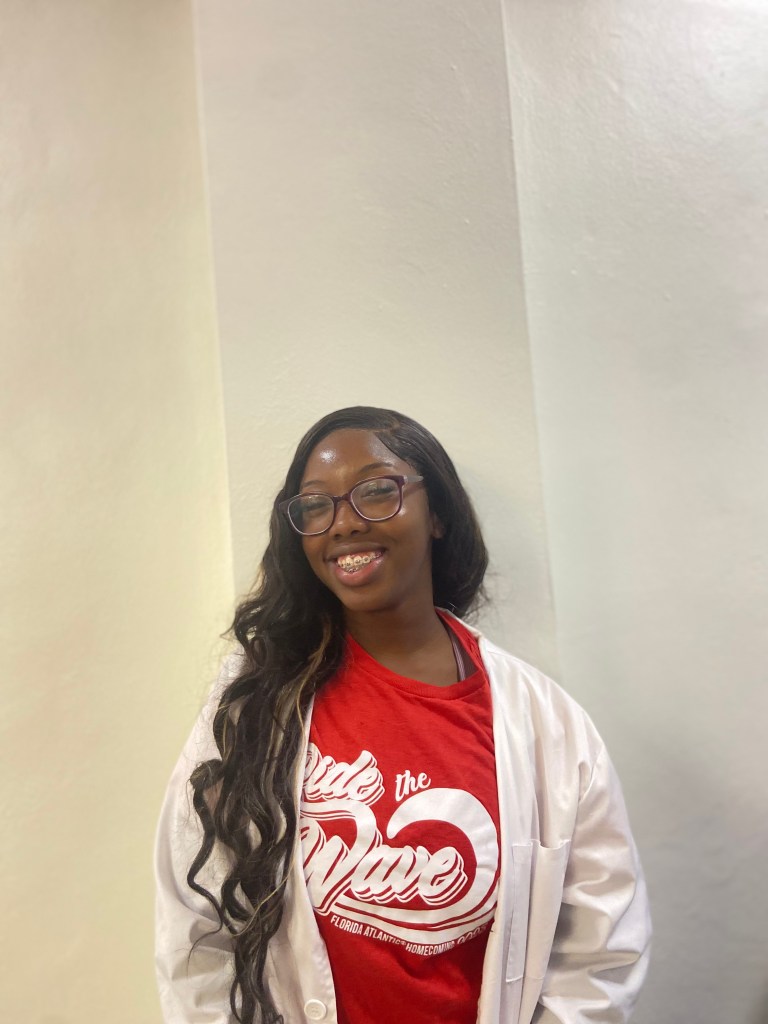
Joudeline Jeanlis, a senior majoring in Health Science with a minor in Health Administration, is Haitian. She recalls a time when her family relied on products to make their skin lighter after being in the sun.
“I remember people in my family used to use the whitening soaps, and like the carrot, just because if you get darker or if you’re out in the sun and you tan a little bit, it’s seen as less attractive,” she said.
Colorism is when lighter skin is favored over darker skin starting back in colonial times in the United States when slavery was prominent.
Colorism is still apparent even today in how dark-skinned and lighter-skinned people are compared and seen through the eyes of classism, in where people live and work, and even the social scale in who interacts with whom.
Traci Palmer Baxley, is a professor and author at Florida Atlantic University. She states that darker-skinned individuals often face more negative stereotypes than lighter-skinned individuals.
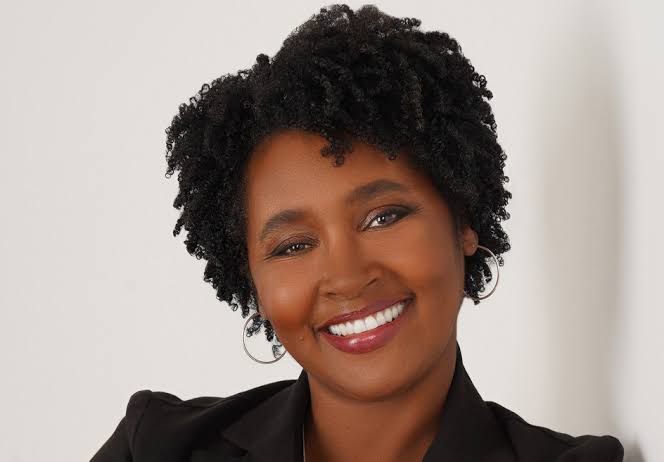
“Stereotypically, colorism reinforces harmful biases, particularly against darker-skinned individuals, who are often unfairly associated with negative traits like aggression or lower intelligence. These stereotypes affect everything from law enforcement practices to workplace dynamics, where darker-skinned individuals may face greater challenges in advancing their careers or receiving fair treatment.” Baxley said. “Research has shown that lighter-skinned Black women tend to earn higher salaries, have better job opportunities, and are more likely to hold positions of power compared to their darker-skinned counterparts.”
Baxley also goes in-depth about her research paper titled, Taking Off the Rose Colored Glasses: Exposing Colorism through Counter Narratives. She talks about the history behind colorism and about a time she facilitated a literacy group with eight Black girls for three years throughout their middle school career.
“In terms of that article and the research, I guess it started off being kind of like a literacy circle groups as of reading books by women of color, mainly Black women. And we would read those books and we would meet once a week,” she said. “And just talk about general things, cultural things, just to kind of support them as they were going through adolescence. Being present and mindful of being young Black women, what that looks like, what that feels like, and have a support system.”
Baxley says that the concept of colorism kept being a constant theme in their readings and discussions they would have as a group.
“During the process of working with them over a couple of years, the idea of colorism which they didn’t know the name of it, but those things kept popping up, not just in their readings but when they would tell me stories about their lives and things going on in school. And so once I saw that was kind of a thing that kept recurring, I thought it would be something to kind of focus on to have them identify that when it was happening,” she said. “That it had a name, that it had a history, and things that you can do to kind of counter that, so that’s how that research came out of that. The research was kind of bigger than that, but that was one theme that kept recurring during my time and during those different books we choose to read.”
Marketa Burnett is a professor at the University of Connecticut. She is a Developmental Psychologist, who specializes in Black Girls’ Identity Development – understanding the true meaning of what it means to be a Black girl and how Black girlhood goes into their educational experiences, and even their family upbringing.
Burnett recalls a time when doing a case study with a group of girls two years ago, when the girls brought up a valid point that much of the criticism comes not from the social media post itself, but from the comment section from the social media platforms or accounts.
With how much Black representation is shown within the media, it has completely changed as time goes on from music video channels like MTV and 106 & Park from the BET Network to even TV shows. Media consumption is now transferred over to social media and how Black representation is portrayed there. With just a few minor hiccups, colorism isn’t seen as much as it used to be 50 years ago within the media.
“They see more of this negative feedback about Black girlhood and how people talk about Black girls in the comments. Where it’s not just the larger following, it’s a lot of people that don’t even have real profile pictures or profile names,” Burnett said.
Rayanna Laing, is a junior majoring in Electrical Engineering and was a former Historian for the Caribbean Student Association at FAU. She sees that social media has gotten better in going about the topic of colorism and debunking the stereotypes that come along with it. And given how much social media has evolved, the comparison with skin types aren’t as prominent even in schools like FAU, and how schools have changed throughout the years when it comes to navigating colorism.

“Honestly, I think more recently social media has improved colorism. I think it knocked down some of those glass ceilings and those stereotypes that used to be there,” she said. I know the way how we’re integrated especially in schools now, that would have not been ok 100 years ago, 50 years ago. I think social media and just modernization made that a bit easier for me at least.”
Laing compared the culture between Blanche Ely High School and FAU. Both schools navigate cultural backgrounds differently.
“I went to an all-Black high school so like being at this college is completely different culturally, and just seeing how FAU promotes different groups of people together. Like you know when they have the pool parties, you see everybody at the pool party, at my high school it was just us,” she said. The only difference would be, ‘oh is she Caribbean, is she American, Haitian, Jamaican,’ that was it. But I think social media definitely does help integrate those things. It might look good on picture, or on paper, but I think that can be a reality.”
 The Paradigm Press